texts studied in English
Year 7:
In Year 7, Term 1 focuses on the ‘History of Storytelling’, and our curriculum explores Greek mythology in depth, along with the moral lessons that can be learned from these ancient tales. Pupils also examine how storytelling has evolved over time by reading extracts throughout the centuries from Chaucer to 19th-century novels such as Charles Dickens’ Great Expectations and Jane Austen’s Pride and Prejudice.
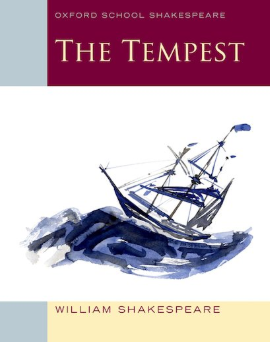
Students study the ‘Magic and Exploration’ scheme, where they are introduced to themes of power and patriarchy in William Shakespeare’s The Tempest. This unit follows the character of Prospero, the rightful Duke of Milan, and considers the choices he makes regarding vengeance and reconciliation.
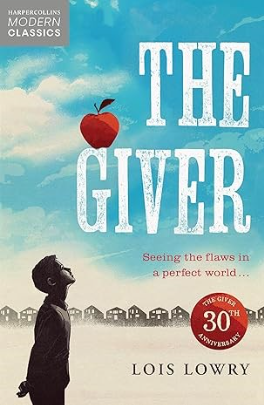
Year 7 students read the fictional novel The Giver by Lois Lowry which is an introduction to inequality and individualism, and encourages students to consider modern day issues such as climate change. Alongside this dystopian novel, students read non-fiction extracts based around similar themes of equality and acceptance.
Year 8:
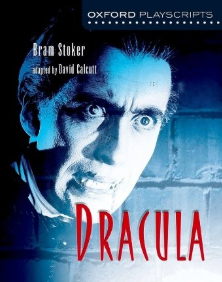
Year 8 introduces students to the Gothic genre through a study of Bram Stoker’s play Dracula, enabling them to engage with the conventions of Gothic literature such as the supernatural, secrets and romance; this also allows students to use their imagination and explore their creative writing skills.
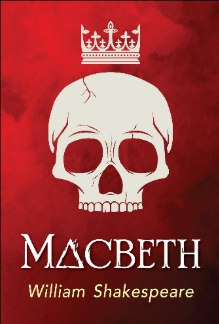
Students will further develop their understanding of Shakespearean literature through an in-depth study of Macbeth. This tragedy, tracing the rise and eventual downfall of a tyrannical protagonist, offers an examination of the consequences of unrestrained ambition, guilt and manipulation.
The ‘World Voices’ scheme covers a range of extracts that explore what society is like in different parts of the world. Texts such as The Hate U Give and Terror Kid examine discrimination and its impact on individuals and communities, while George Orwell’s Nineteen Eighty-Four explores themes of oppression and control. This scheme enables students to broaden their perspectives by viewing the world through the experiences and viewpoints of others.
Year 9:
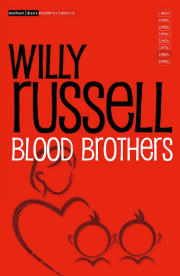
Willy Russell’s musical Blood Brothers explores how themes such as fate, love and conflict can lead to tragedy. This work traces the lives of twin brothers separated at birth and covers the social class divide in Liverpool from the 1960s through to the early 1980s. Non-fiction texts are used to help students understand the differences that exist in society from the 20th century to modern day.
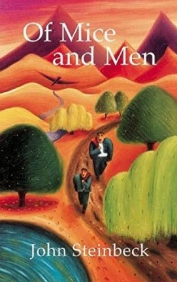
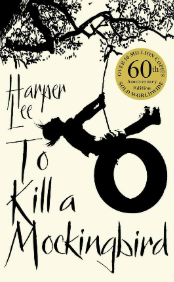
In the American literature scheme, students study either John Steinbeck’s Of Mice and Men or Harper Lee’s To Kill a Mockingbird. Both texts provide a critical platform for students to examine the extent to which society has progressed towards achieving equality as they engage with thematic concerns such as injustice, friendship, and empathy.
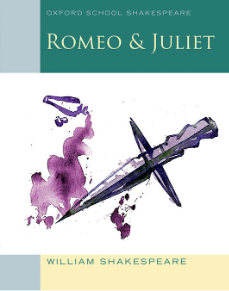
Throughout the ‘Love and Honour’ unit, students are introduced to significant GCSE literature themes, including love, tragedy and fate. Students study both classical and contemporary texts such as Much Ado About Nothing and Romeo and Juliet before more contemporary authors like Angie Thomas and Namina Forna.
Year 10 & Year 11
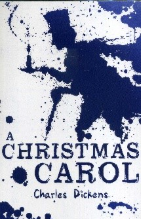
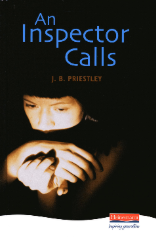
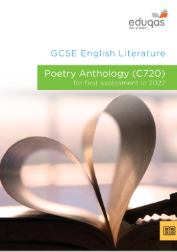
In Year 10, students are introduced to the core GCSE texts: A Christmas Carol, An Inspector Calls, and a selection of both anthology and unseen poems. In addition, students prepare for their English Language examinations by engaging with a range of 19th-21st century fiction and non‑fiction texts, developing an understanding of what constitutes an effective narrative, and exploring how to write for a variety of purposes and audiences.
In Term 1, students study Charles Dickens’ nineteenth-century novella A Christmas Carol. Through this text, students examine Scrooge’s moral transformation while considering the contextual influences - such as Victorian social inequality and Dickens’ personal concerns - that shaped the novella’s creation. Key themes include redemption, attitudes towards Christmas, and exploring the inequality faced in Victorian England.
In the second term, Year 10 students study J. B. Priestley’s An Inspector Calls, analysing the ways in which dramatic form is employed to convey the playwright’s critique of social inequality and moral complacency. Through the gradual interrogation of each family member, the play invites students to explore the dynamics of power, class privilege, and collective responsibility within the Birling household and the early twentieth century society.
Finally, Year 10 students will read and interpret a range of poems from the Eduqas Poetry Anthology.
In Year 11, students undertake a detailed study of Shakespeare’s tragedy Romeo and Juliet, critically examining how themes such as honour, death, and love are constructed and developed through the play’s language, structure, and dramatic form. As they extend their prior understanding of Shakespearean conventions, students analyse the extent to which the characters’ actions are shaped by the social, familial, and ideological expectations of Elizabethan society.